Origin Story: Grand Teton National Park
 By Brigid Mander
Did you know that the Grand Teton National Park we cherish today only exists thanks to a group of early conservationists armed with astounding tenacity and a creative plan?
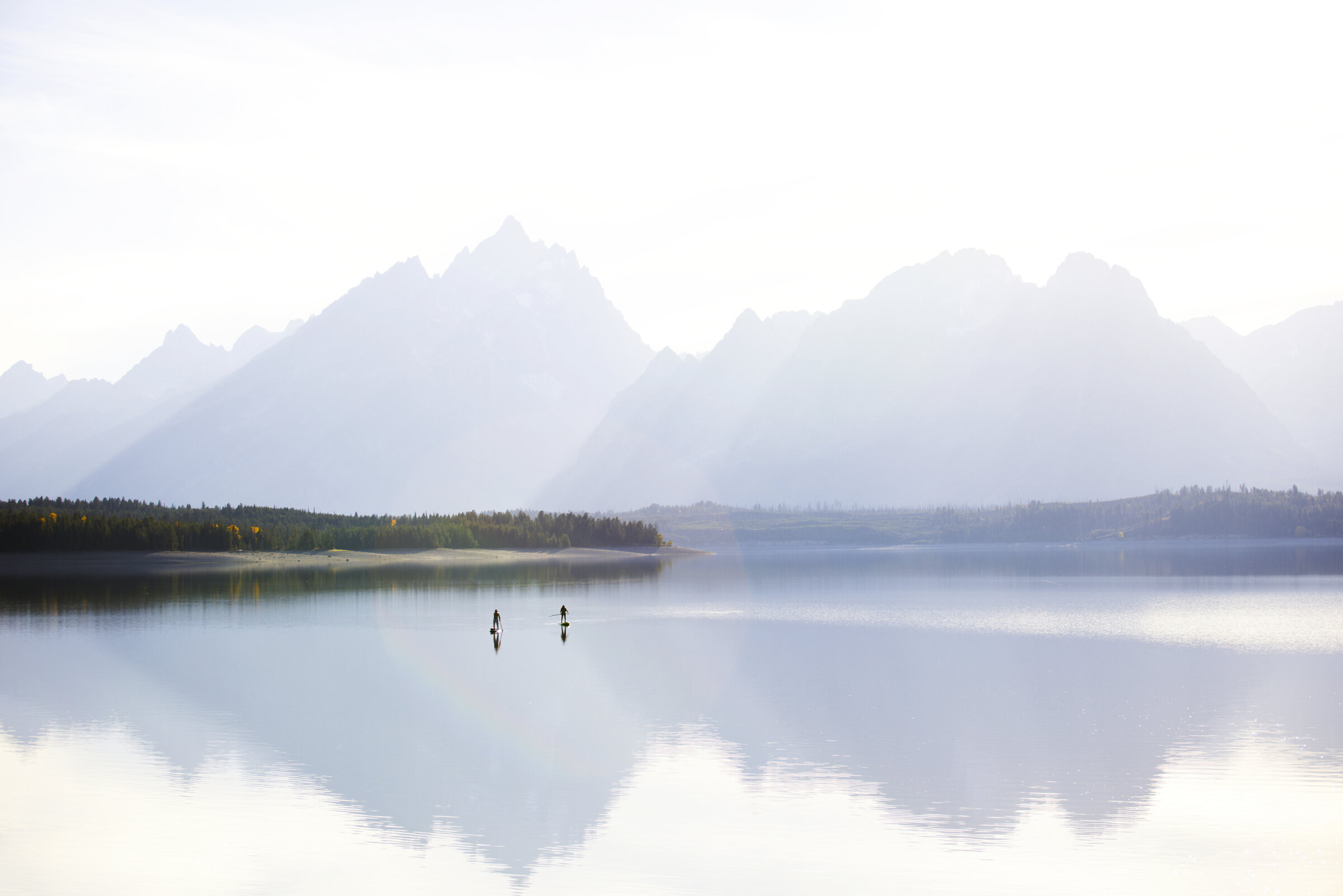
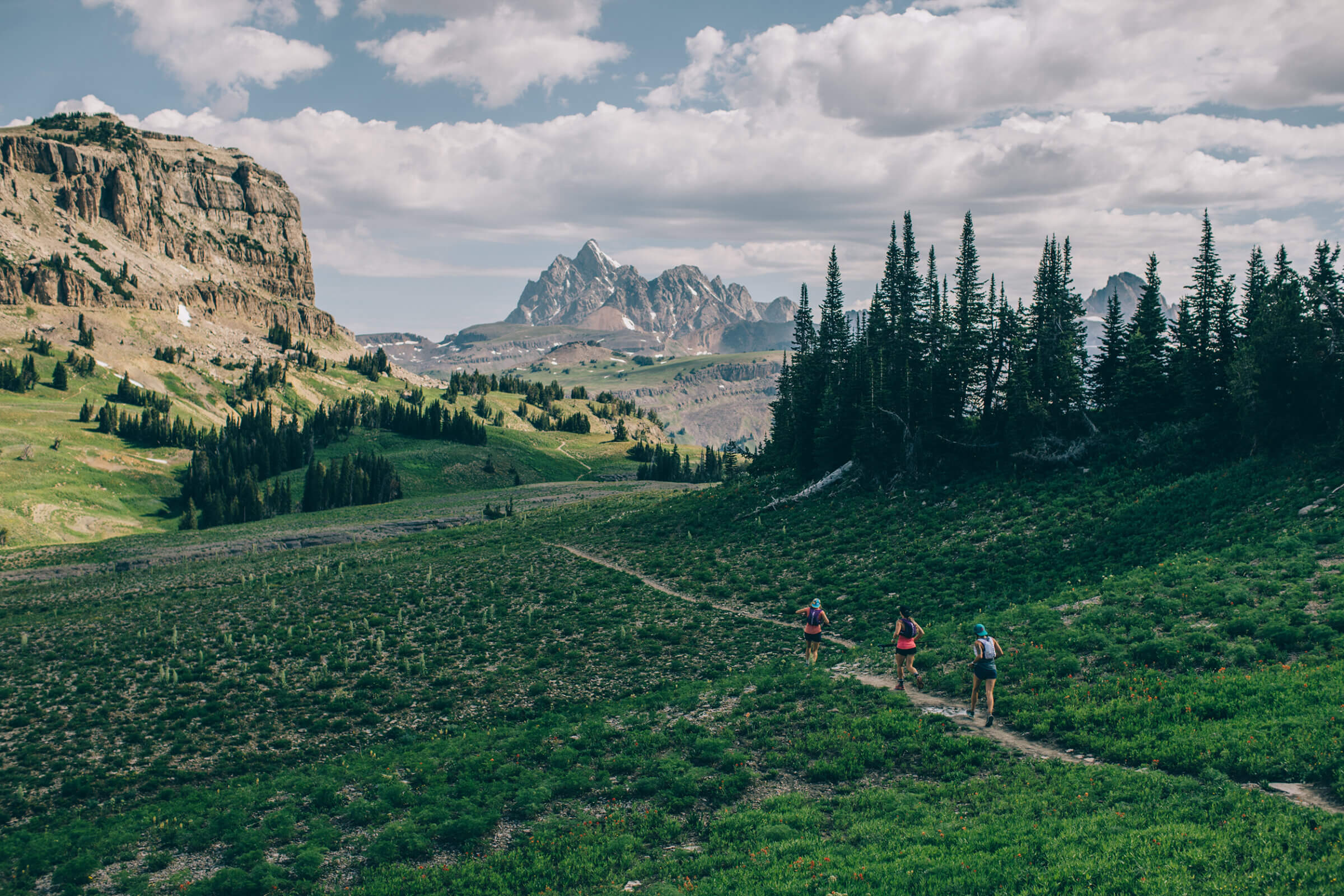
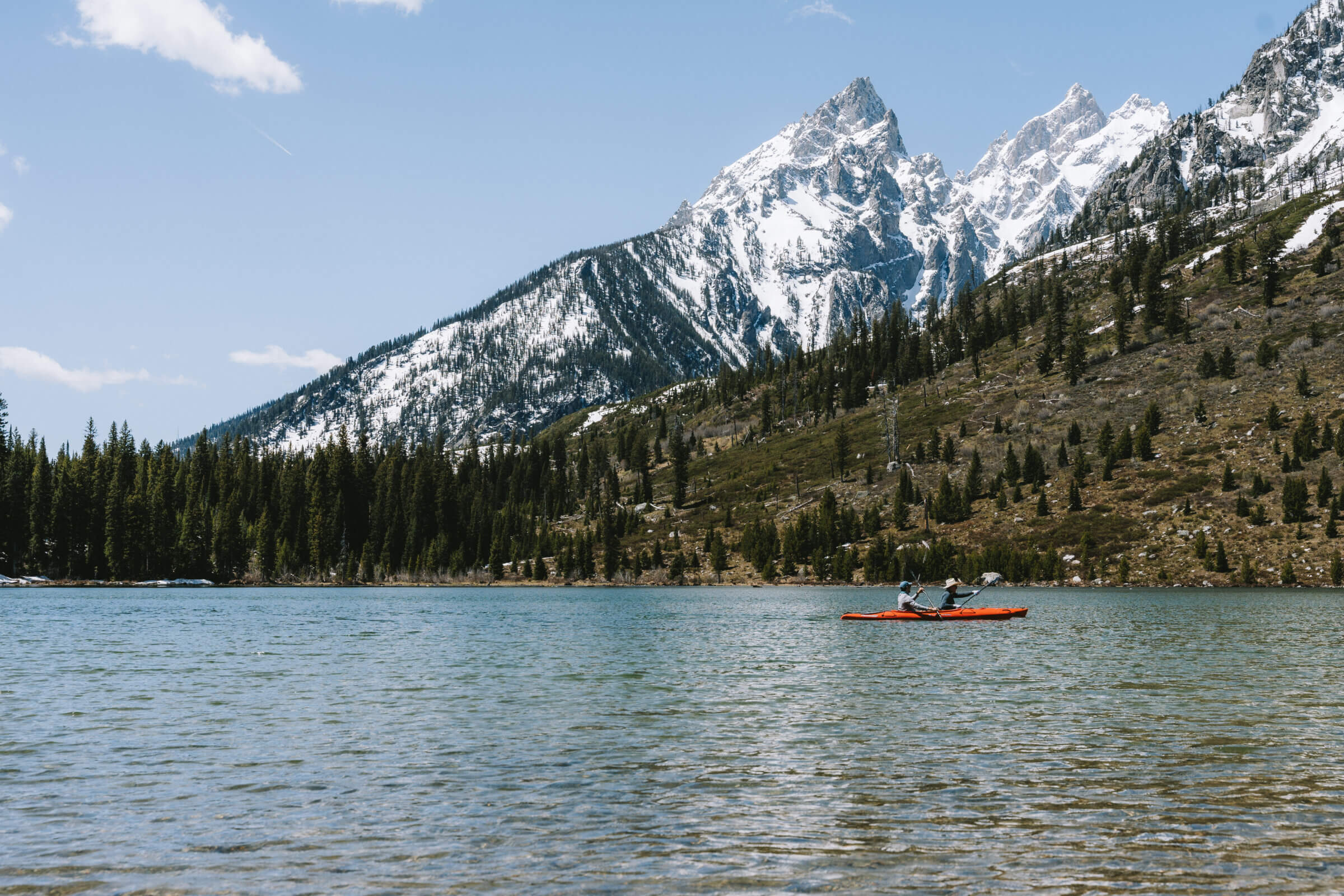
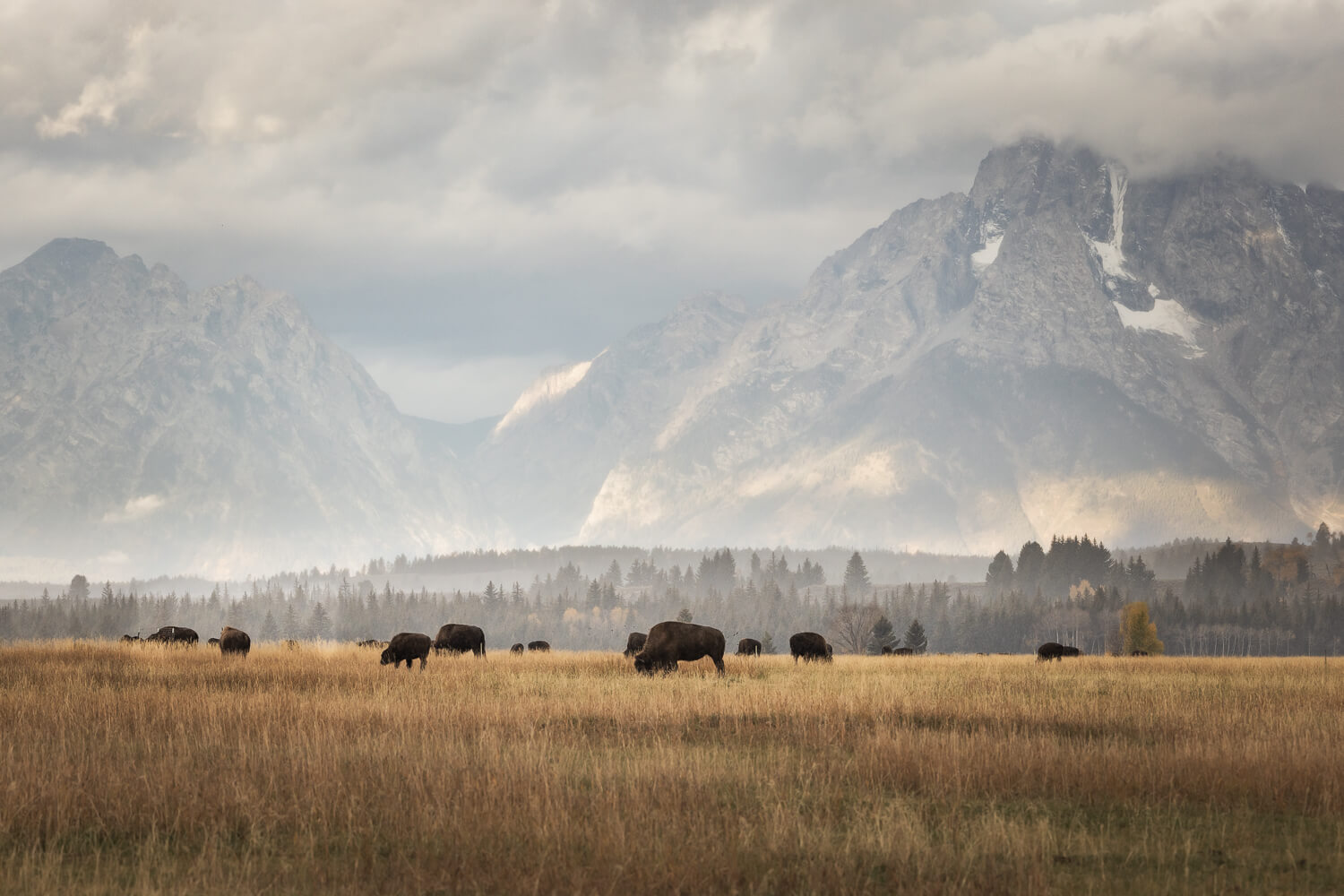
Today, under the jagged, show stopping peaks of the Teton Range, wild sagebrush steppe sprawls out across the Jackson Hole valley, park visitors can breathe invigorating, sage-scented air, bask in the serenity of the natural world and spot elk, mule deer, pronghorn, and grizzlies. But the original designation of Grand Teton National Park only included the mountains and six glacial lakes.
In the early 1900s, the valley, formerly Eastern Shoshone tribal territory, was marching towards a different future: homesteaders had quickly claimed land and plans for dude ranches, tourist cabins, damming lakes, and commercial development were already percolating.
The likely fate of these lands was irrevocably changed in 1919, when Horace Albright arrived in Yellowstone National Park as the first park superintendent. Albright was convinced the entire valley should be protected as federal land and wildlife habitat. In fact, his goal was to bring the southern border of Yellowstone National Park down to the town of Jackson. That plan met vigorous local opposition.

Undaunted, Albright and his allies enlisted the conservation-minded philanthropist John D. Rockefeller, Jr. Rockefeller, enamored with the wildness and beauty of the Jackson Hole valley, agreed to help. He created the Snake River Land Company, and, through a series of agents, managed to buy more than 35,000 acres of land in the valley from ranchers and homesteaders. The purchased land was to be gifted to the National Park Service as an addition to GTNP in the late 1920s.
It seemed a simple and altruistic plan, but it proved truly incendiary. Twenty years of intense, bitter debate followed. Anti-park expansionists complained about loss of access, tax revenues, economic opportunity, and unfair dealings of Rockefeller’s company (later proven false). The gift of land was going nowhere. Frustrated, in 1943, Rockefeller wrote to President Franklin D. Roosevelt and threatened to sell it all, after which Roosevelt took decisive action and proclaimed 221,000 acres – including Rockefeller’s land – as the Jackson Hole National Monument.
In 1950, President Truman merged the monument with the existing Park to create the 310,000-acre Park we have today. The prescient foresight of these early conservationists gifted future visitors and residents (human and otherwise) the beauty we enjoy today.