The Genesis of Teton Pass Trails
 By Brigid Mander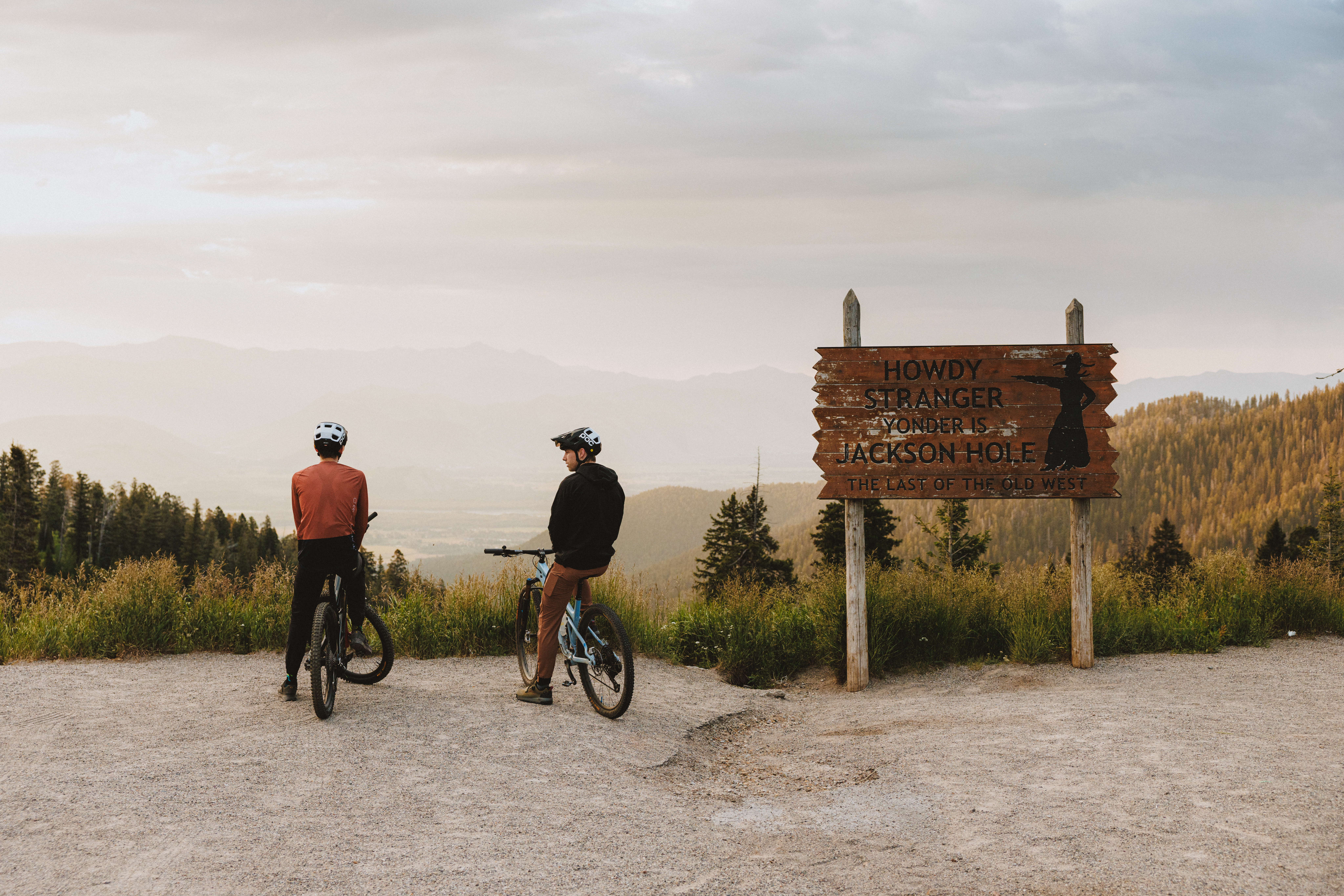
Easy access to prime backcountry ski slopes has made Teton Pass a backcountry ski mecca in the winter.
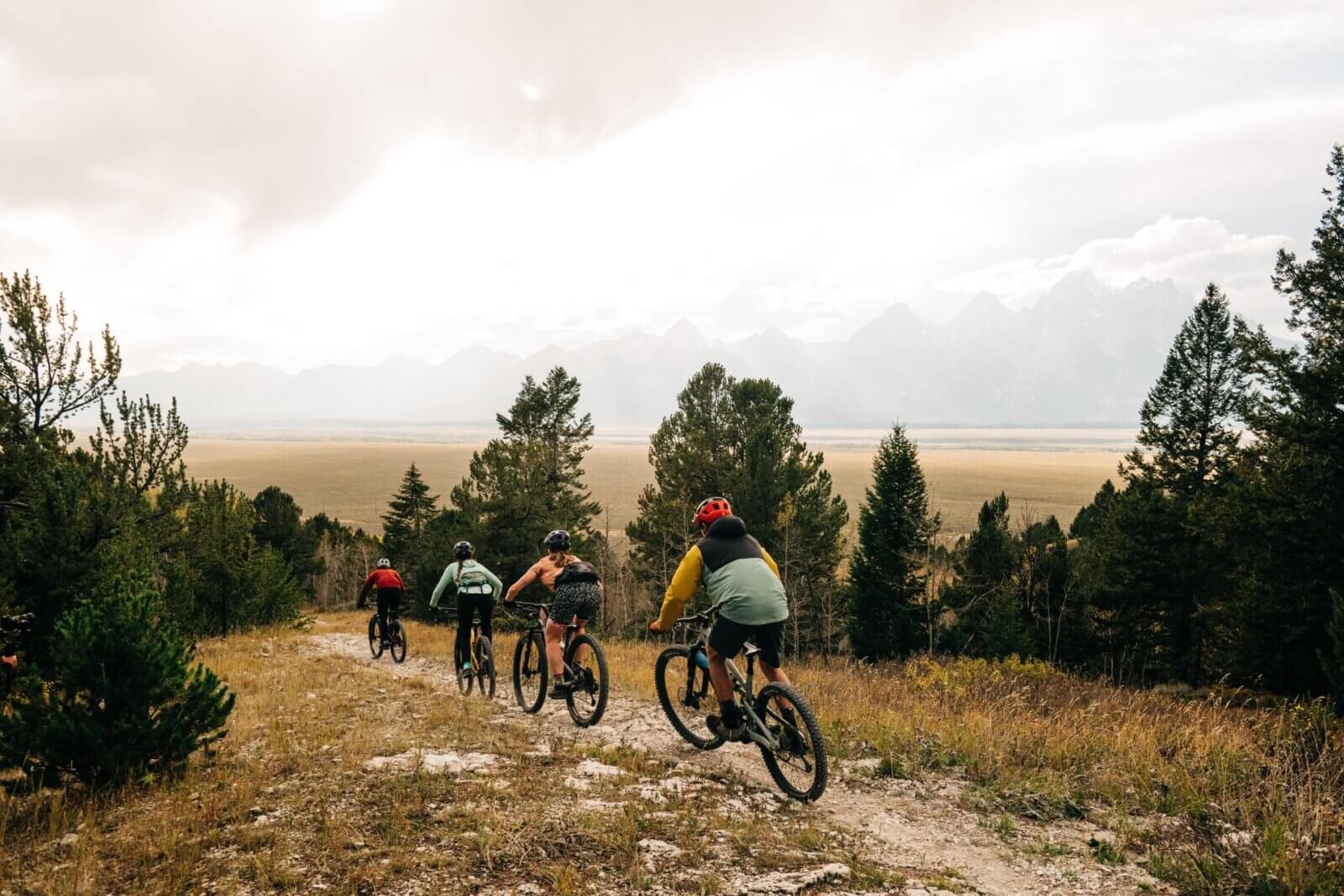
Though white-knuckled rippers know that in the summer, the thrills of the first downhill designated bike trails on public land in the nation are just as valuable.
Six miles west of Jackson is Wyoming Highway 22’s famed Teton Pass, surrounded by pristine Bridger-Teton National Forest lands. The vital travel corridor sees thousands of vehicles a day as one of three highways that lead into Jackson. And in the roadway pullouts, no matter the season, you’ll see the full gamut of thrill seekers. In the summer, downhill mountain bikers who may or may not know that the trails they ride are a first of their kind.
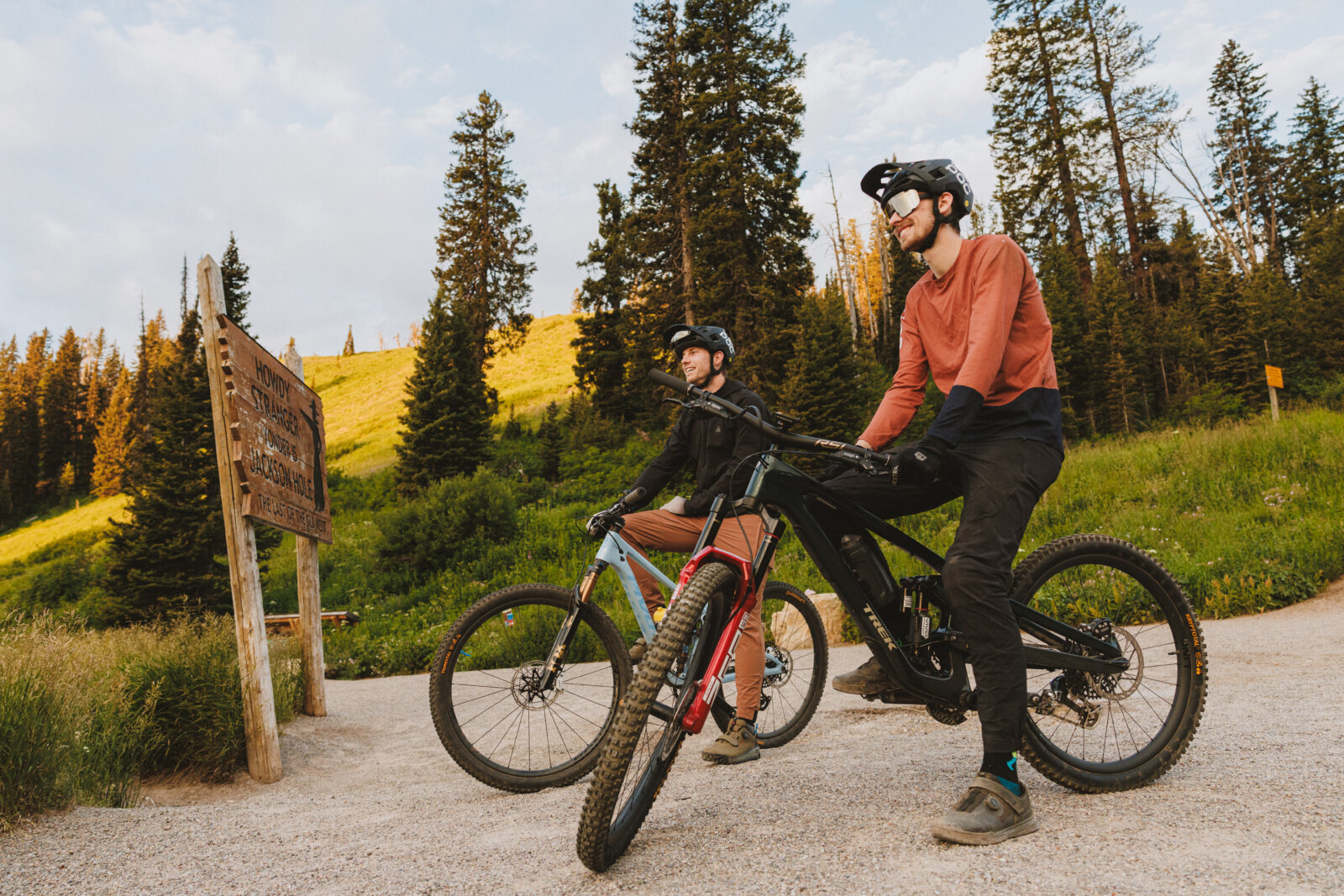
Teton Pass’ summer trail network is a particularly point of community pride. It boasts a one-of-a-kind user-specific system and ample signage to educate users on trail etiquette, the natural surroundings, and especially, the wildlife who make their home on the pass. The road to this admirable state of affairs, however, was anything but smooth. It took innovative land management tactics, user groups willing to compromise, and a herculean community effort to create today’s trail system.
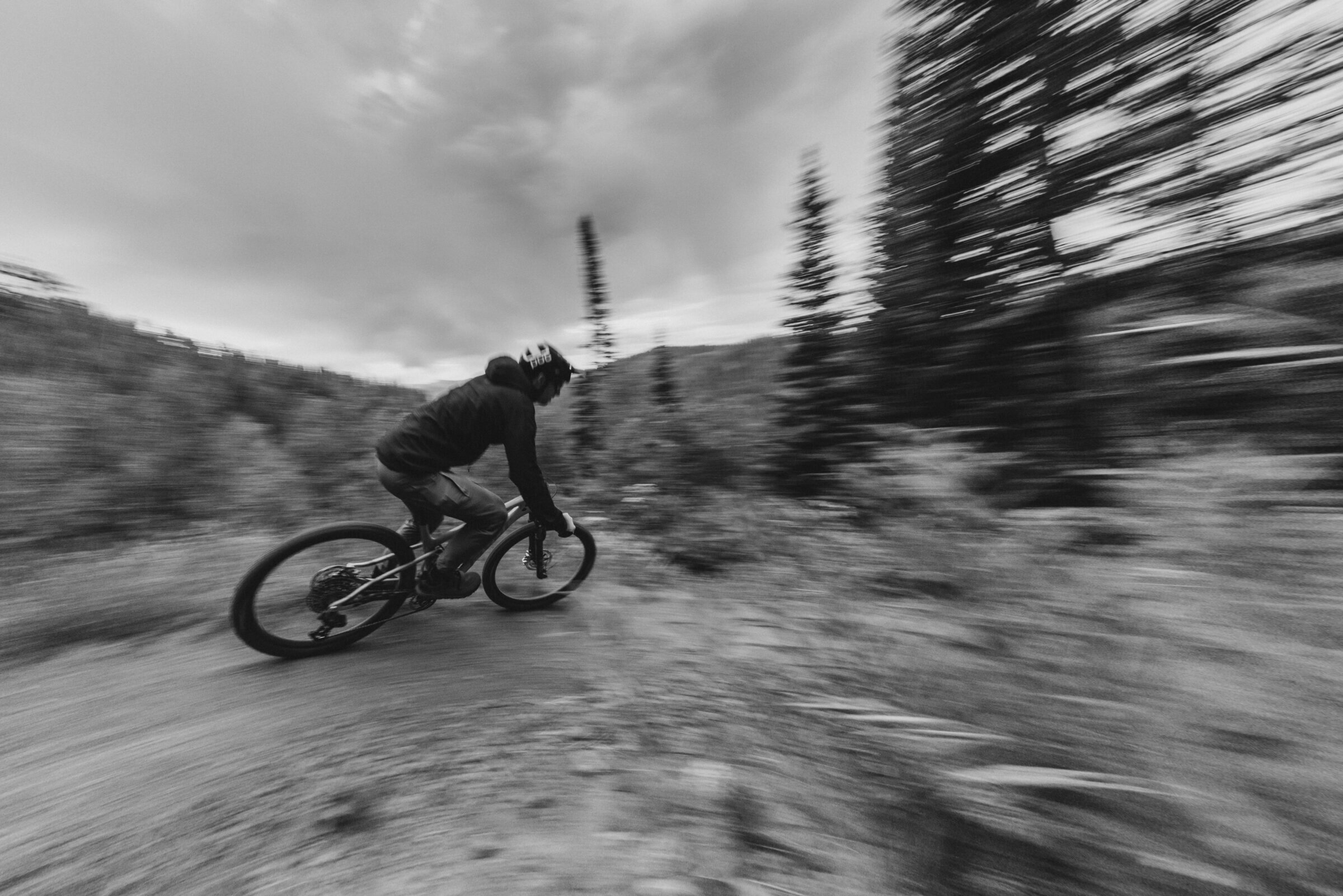
True to Jackson’s wild west nature, the trails on Teton Pass originated in the late 1800s as utilitarian wagon and horse trails. Over the decades, outfitters were joined by recreational hikers, runners, and mountain bikers, but it wasn’t until downhill-specific mountain biking, with armor and high speeds arrived that user groups really bristled at each other. The downhillers started to build hidden, illegal bike trails on BTNF lands, further inflaming tension. Yet, skilled leadership from the Forest Service and a willing community turned a negative situation into not just a positive, but a model for other trail networks around the country.
The illegal bike trails were discovered in 2004, and then-BTNF recreation manager Linda Merigliano decided there was more to be gained by collaboration than merely doling out punishment for wrongdoing. She convened a series of meetings and invited all community stakeholders – including the illegal bike trail builders – to build a consensus around sustainable use of a shared public resource.
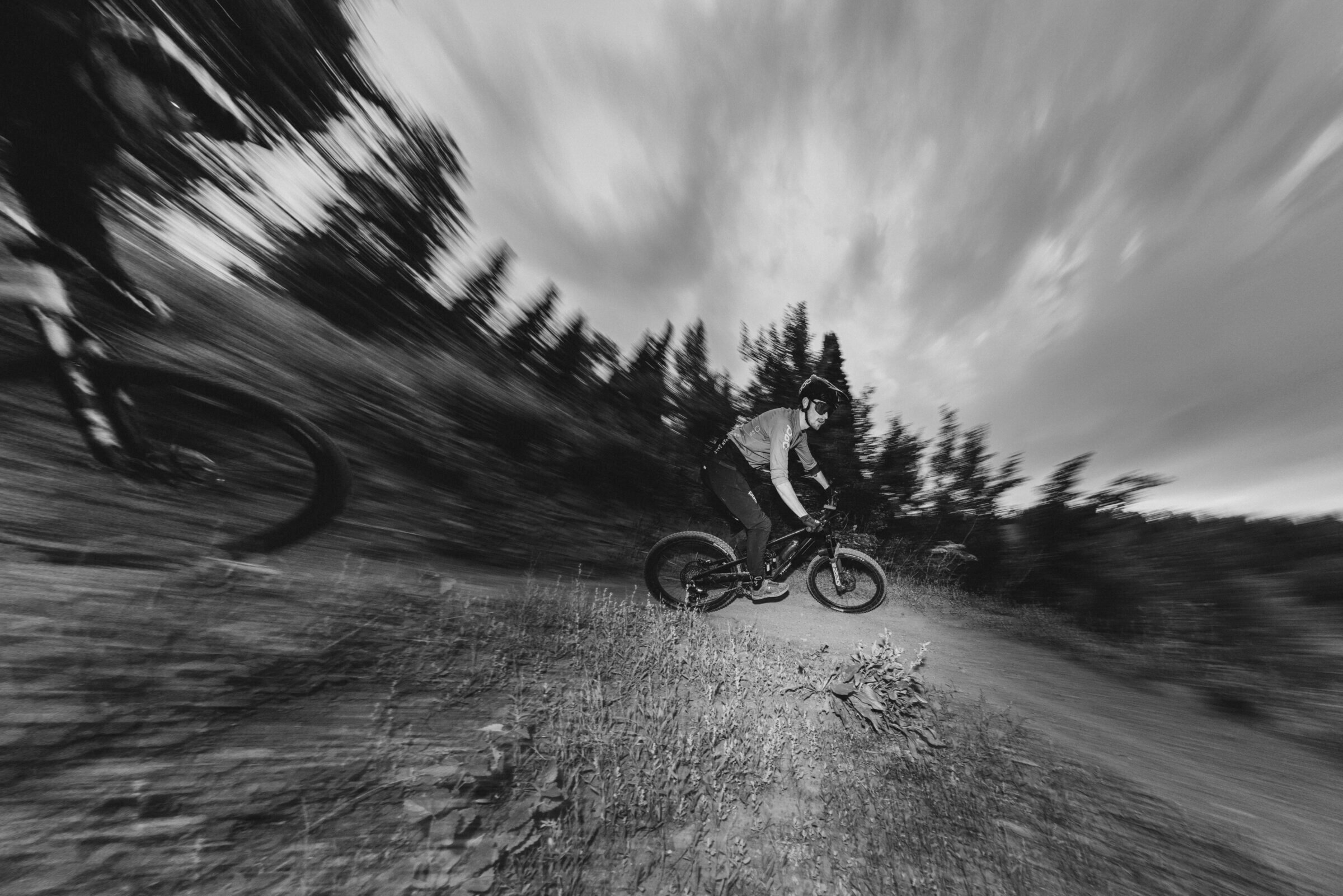
To keep the peace, everyone agreed the downhill bikers needed separation. The different groups agreed that making some trails user-specific was the best way to share the pass and ensure a fun, safe experience for everyone. Some trails became horse and hike or hike and bike only, others remained open to all users, and some were designated as downhill bike use only – the first such designation on public land in the nation. In exchange, the bikers promised never to build trails or new features without BTNF approval. Trail enthusiasts quickly formed Friends of Pathways to help maintain the trails and educate users on the rules… and this time ensured everyone stuck to those rules. Today, all of the trails on Teton Pass are funded and maintained by the nonprofit and the BTNF, and offer a respectful, cooperative experience for all users.
What started as a band of rebels and bristling relations now serves as a model in user-conflict resolution for other public lands trail systems around the country. And gives Teton County a rippin’ downhill trail system on Teton Pass!


Explore More