Geology Guide to Grand Teton: Turn a scenic drive into a several-billion-year story
 By Visit Jackson Hole
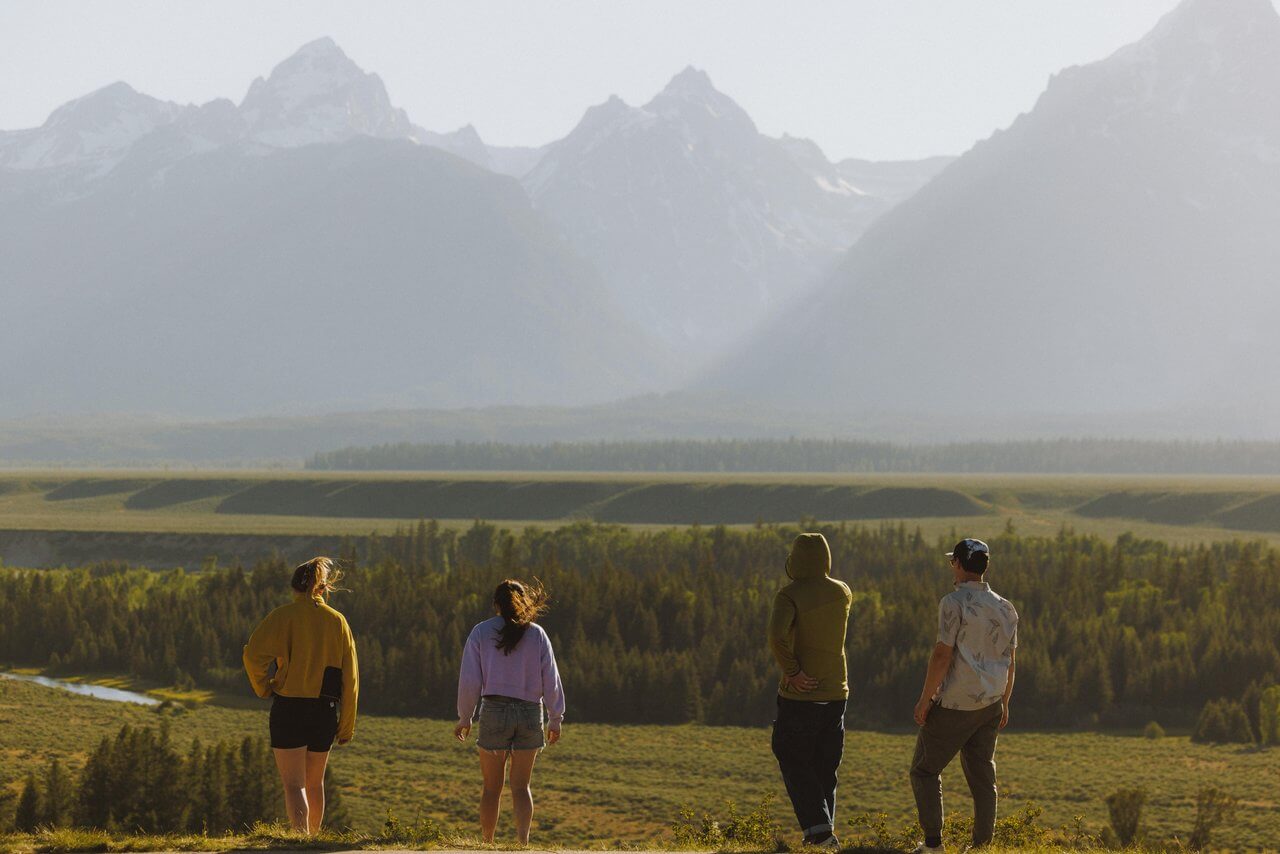
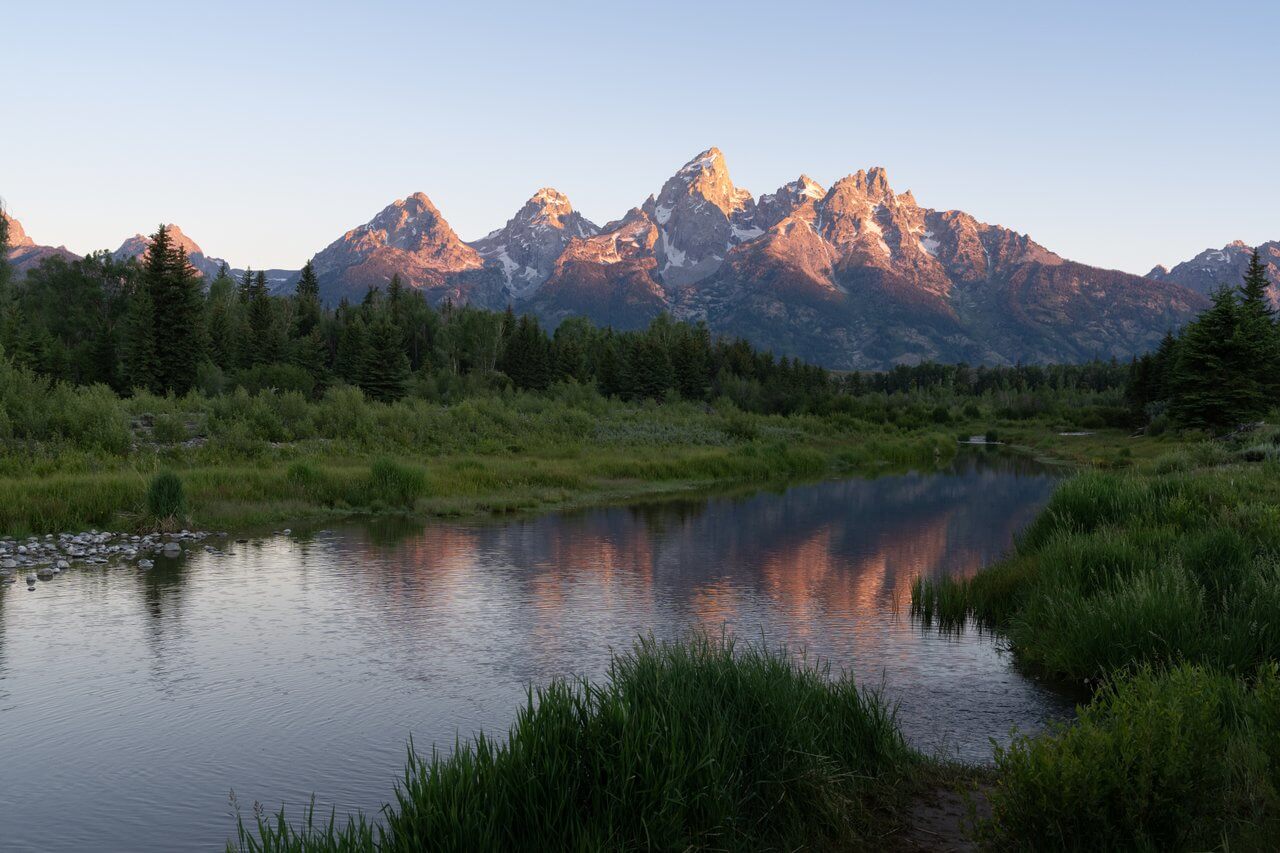
 Stand at the base of the Tetons and you’ll feel it before you understand it. No foothills soften the approach, no gradual rise warns you it’s coming. The range erupts out of the valley floor, and that’s not scenery, that’s an active fault at work. Over millions of years of earthquakes, the rock on either side of the Teton Fault has been offset by 31,000 feet, a slow-motion tally that adds up to far more than what you see above ground today, since the valley floor has also been sinking and filling with debris the whole time. The rock underfoot is telling a 2.7-billion-year story, and now there’s a free tour built to help you read it.
The Geology Guide to Grand Teton is a free, self-guided audio driving tour hosted by Dominique Brough, a local Professional Geologist and owner of Teton Geological Services. It follows the outer park road from Jackson to Moran Junction, about an hour of driving, with stories triggered automatically as you reach each stop. Download the TravelStorys app before you head out, since it works without cell service, and let Dominique do the talking at the pullouts.
What You’ll Learn Along the Way
The tour stops at the landmarks that hold the story together. At the Teton Fault itself, you’ll learn how this still-active fault built a skyline with no foothills. Further along, you’ll see the basement rocks: 2.7-billion-year-old gneiss, migmatite, and quartz monzonite, once buried miles underground and now thrust into daylight. Look up at the black vertical stripes cutting across the peaks and you’re looking at diabase dikes, formed when the ancient supercontinent Rodinia broke apart 775 million years ago. One stop shows you the Great Unconformity, a single line in the rock where 510-million-year-old stone sits directly on top of rock 2.5 billion years old, with more than two billion years of missing history in between.
From there it’s ice and water: the Glacier View Turnout, where you can spot the range’s remaining glaciers and learn how three separate ice ages shaped the valley, and the Snake River Overlook, the same spot where Ansel Adams made his famous photograph, sitting atop outwash plains thousands of feet deep. Jenny Lake, Phelps Lake, and Jackson Lake all trace back to the same glaciers, each one dammed by a terminal moraine. The tour also connects the rock record to what lives on it, how soil and geology decide where bison, moose, elk, and sage grouse make their homes, and to the people who’ve called this valley home, from 11,000-year-old arrowheads near Jackson Lake to the Hayden Survey that helped establish Yellowstone.
Made Possible by a Visit Jackson Hole Partnership
This tour is brought to you by Teton Geological Services, a Jackson-based geology firm dedicated to place-based education, with contributions from the Geologists of Jackson Hole and Brunton. We’re proud to have helped fund it through a Visit Jackson Hole grant, and prouder still to send it along with you.
Read the Land, Then Leave It Be
This valley has been rising, falling, freezing, and thawing for millions of years without our help. Your job is to look, learn, and leave it exactly as you found it. Stay on the trail, keep your distance from wildlife, and let the rock do the talking.
Download the Geology Guide to Grand Teton on the TravelStorys app before your next trip through the park. It’s free, it’s an hour well spent, and it turns a scenic drive into a several-billion-year story.
-

10 Experiences that Feel More Authentic than the Jackson Hole Top 10
When you're ready to dive a little deeper into Jackson Hole culture and find a spot that makes you feel something... read this.
-
Where Did the Mountains Around Jackson Hole Get Their Names?
Looking up at the Tetons and other ranges that frame Jackson Hole, you’re filled with wonder and curiosity. How did these massive mountains form? What are they made of? And how did they get their names? Here, we explore the origins of the last question, exploring the stories behind these iconic mountains and their equally impressive titles.
-
Like These Popular Places in Grand Teton National Park? You’ll Love Their Less Crowded Look-Alikes
The popular sites of Grand Teton National Park are well-appreciated, well-loved, and well-visited. But have you tried their lesser-known counterparts?
-
Slow Down Summer by Slowing Down Yourself
When planning a trip to this special place it can be easy to overbook your itinerary and try to do it all, but the real magic comes when we do the opposite: slow down and listen.
- More Experiences